Saleh Bay’s new protections for whale sharks and its benefits
In Indonesia's Saleh Bay, whale sharks can be found feeding in the bay. With plans for a new marine protected area (MPA), nearly half of Saleh Bay will turn into a protected zone for these whale sharks. It will provide new protections across several stages of its lifecycle. These sheltered bays act as sanctuaries for juvenile whale sharks, providing optimal resources for development. A document provided by the provincial government—reviewed by Mapa—states that the MPA would cover 90% of the known whale shark hotspots within Saleh Bay. The governor of West Nusa Tenggara designated 73,165 hectares (180,795 acres) of the bay for whale shark conservation as of May 2026. With an area nearly twice the size of New York City, it provides secure feeding and developmental grounds, including movement corridors connecting them. These whale sharks help provide new opportunities for locals, allowing extra income, and with the help of Konservasi Indonesia (a non-governmental organization), they are training fishers as guides and teaching them to responsibly promote ecotourism.
Read more
An incredible behemoth-like coral colony unlike its relatives
On the edge of an atoll near the remote Cocos Island in the middle of the Indian Ocean lies a coral colony spanning 1.5 kilometers long. This colossal colony is identified as a rose coral in the genus Pachyseris. With the size of this behemoth, questions arise about whether it is one genetically identical organism or individual colonies that are closely related. Pachyseris colonies typically reach about 2 meters in diameter, so what is the answer behind this strange anomaly? There are many hypotheses, and many are left unanswered; however, this unique coral seems to hold some answers, allowing researchers to further delve into whether this colony’s size could help weather climate change and allowing scientists to monitor changes resulting from bleaching events and other climate events.
Read more
A hidden ecosystem: an ancient habitat discovered and its potential threats
Deep beneath the Pacific Ocean lie rocks, or polymetallic nodules, that have taken millions of years to form; and in the process, scientists have discovered that these nodules provide shelter for thousands of minuscule creatures. These rocks consist of miniature cracks and cavities providing additional habitats for creatures smaller than a millimeter. Researchers analyzed these nodules and identified 4,139 individual animals within 244 nodules. Each nodule averaged about 17 animals, with one unique crowded nodule reaching 245 individuals. These nodules have been found to support irreplaceable specialized habitats, with their cracks and cavities homing many specialist species. These findings raised concerns about the consequences of deep-sea mining on these environments. Polymetallic nodules contain economically valuable metals that industrial mining operations favor, and when they remove the rocks, it decimates the habitats and organisms the nodules contain. With these ecosystems taking millions of years to form, industrial deep-sea mining will wring the deep-sea floor dry before there is enough time for it to be replaced. The discovery of this hidden ecosystem has raised awareness of an overlooked aspect of ocean conservation: the hidden world of microscopic organisms and their specialized environments.
Read more
Previously unknown species diminished by 37% due to deep-sea mining
4,000 meters in the deep ocean—reaching the abyssal zone with no sunlight and poor nutrients—scientists recorded 4,350 organisms larger than 0.3 millimeters, identifying 788 species, most of which were undiscovered. With this patch of Pacific Seafloor containing about 200 specimens, evidence of biodiversity remains largely unexplored. With increases in global demand for valuable metals, it has prompted countries to start extracting them from the ocean floor. Hence, evidence of mining machinery tracks was left in the sediment. Left in its path was a 37% decline in animal population and a 32% reduction in species diversity.
Read more
Historic El Niño intensifies ocean heat stress
Official October updates from NOAA and the World Meteorological Organization (WMO) confirm that a powerful climate phenomenon El Niño is strengthening toward historic levels. Central Pacific sea surface temperatures reached record highs of 30°C this month, driving severe ocean warming. This rapid heating suppresses nutrient-rich upwelling, weakening marine plankton foundations and triggering widespread heat stress across tropical ecosystems. Satellite data also reveals that as these microscopic phytoplankton populations die off, vast stretches of ocean are losing their natural green tint and shifting to a stark, clear blue
(Read more).
With extreme temperatures projected to peak into early 2027, prolonged marine heatwaves threaten vulnerable coral reefs with severe bleaching while disrupting fisheries and coastal marine habitats worldwide.
WMO and
NOAA articles.
“Off the charts” in more ways than one
The Earth is warming, and the
WMO State of the Climate Update 2026
shows that it has been for the past 12 years, marking the last 4 years individually as record-breaking. Global mean near-surface temperatures reveal that 2023–2026 are the four warmest years ever recorded. El Niño is predicted to swarm well into early 2027, typically boosting annual global mean temperatures about 0.1°C–0.2°C. Accelerating ocean warming rates impact marine ecosystems, biodiversity, and the ocean’s role as a carbon sink; intensifying tropical land & subtropical storms; accelerating sea-ice loss and melting land ice; and driving sea-level rise. Reflecting a domino effect: greenhouse gas levels, Earth's energy imbalance, global mean sea level and loss of sea ice, glaciers, and fresh water have all broken their own records.
Read more
The cryosphere’s degradation and its threat on the Earth system
The cryosphere is all the frozen parts of Earth, some of which are temporary, such as sea/lake ice, snow caps, and permafrost. As a central part of our existence, it impacts how much water flows from mountains, how high sea levels rise, which pieces of land are connected, etc. Scientists have established optimal conditions the cryosphere should sustain, which we have already failed to uphold. This failure is a result of burning fossil fuels, intensifying agriculture, and drastic changes to land use. Cryosphere risks are advancing, with incidents like the floods in Nepal pushing reports towards the global climate summit, COP31, mandating reminders for global leaders of the significance of cryosphere governance. Researchers defined four key variables that characterize a safe operating space for the cryosphere, the boundaries of which we have already breached. Outside the climate conditions during the Holocene (our current geological time scale), it is a mystery whether modern human societies can function; failure to sustain the cryosphere will continue to change our climate, threatening the Earth and human life.
Read more
2027 OGPICOTY — Open for Entries Soon!
New categories. Exciting new prizes. Your moment to shine!
The 2027 Ocean Geographic Pictures of the Year (OGPICOTY) competition is returning — bigger, bolder and more exciting than ever! Showcase your finest ocean imagery on the global stage, compete in exciting new categories and seize the opportunity for international recognition and outstanding prizes. Whether you are an emerging talent or an accomplished underwater photographer, this is your moment to make your images count.
BE FIRST. ENTER EARLY. ENJOY EXCLUSIVE EARLY-BIRD PRIVILEGES! Register your interest NOW to receive priority notification when entries open, be among the first to discover the new categories and prizes, and receive details of our exclusive Early Bird entry offers before the competition launches. Don't miss your opportunity to take advantage of these special offers!
Sign up today — secure your early-bird updates and be first in line when OGPICOTY 2027 opens!
Register here:
https://ogpicoty.ogsociety.org/
ANIMA HAI Legacy Project
In 2027, join the legendary Dr. Sylvia Earle and the Ocean Geographic team on a global mission to document our remaining living coral reefs, before they vanish forever.
We are recruiting Witnesses, Storytellers, Divers, Snorkellers, Photographers, Filmmakers, Scientists, Artists and Ocean lovers. Come and see it with your own eyes! Capture the evidence and become part of the legacy. Each voyage is hosted aboard world-class expedition vessels and guided by Ocean Geographic’s leadership and scientific team.
Every ANIMA HAI expedition contributes to a Collector’s Edition Book, a global travelling exhibition series (2029–2031) and a geo-referenced digital archive, to be revisited in 2051, when the same reefs will be re-documented to reveal humanity’s choices in the climate era.
Read more and watch Dr. Sylvia A. Earle's message
here.
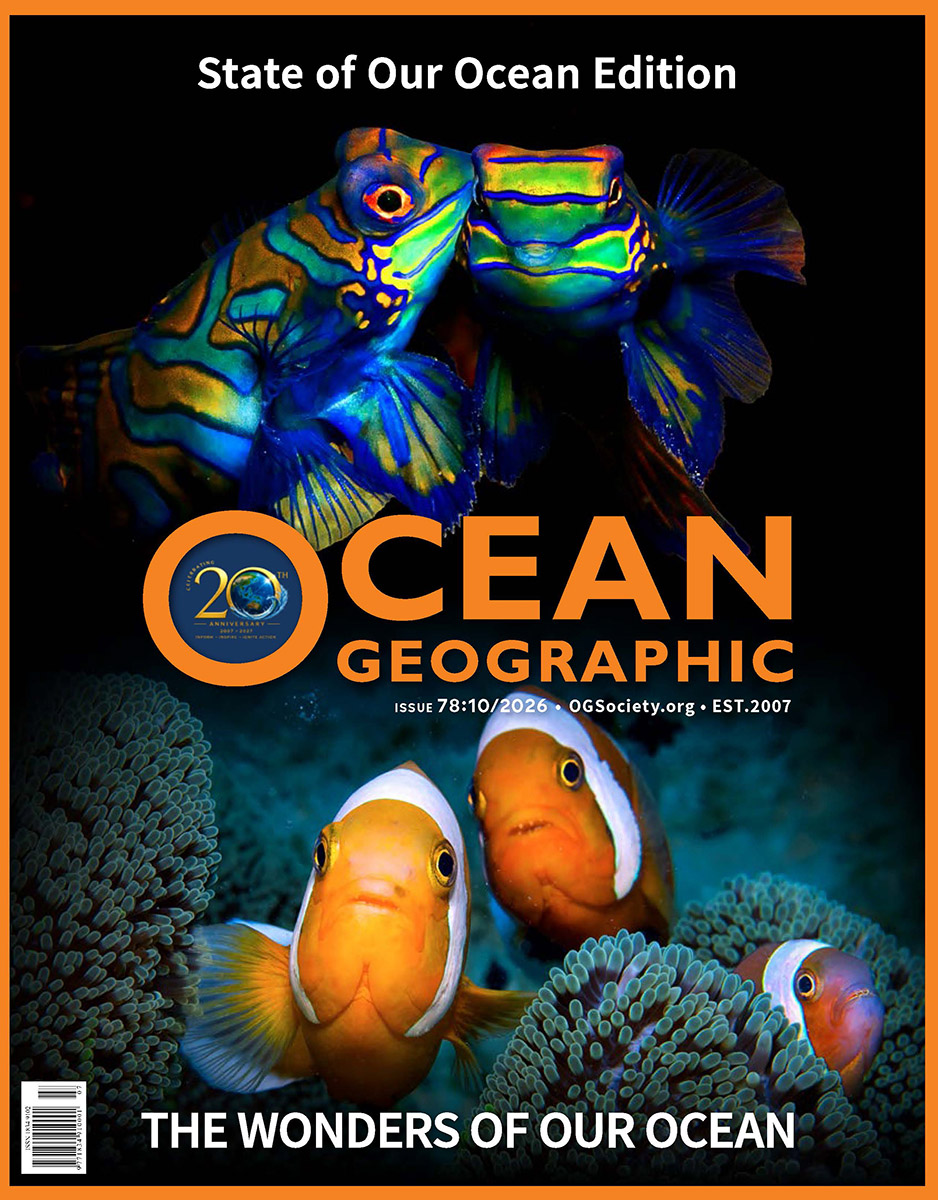
OG#78 Edition
State of Our Ocean Edition
Between Heat and Hope:
- Witnessing the Southern Red Sea’s Corals by Nur Tucker
- The State of Our Ocean by Michael AW
- Crossing Wallace 25 Years Later by Michael AW
- The Colour Code of Coral Cities by Cheryl Lyn Dybas
Sojourn
- Beneath Japan by Kenji Ichimura
Nautilus's Window 49: The Wonders of Our Ocean
- Through the Lens of Prince Hussain Aga Khan
- Sylvie Ayer 2026 Master of Competition
More
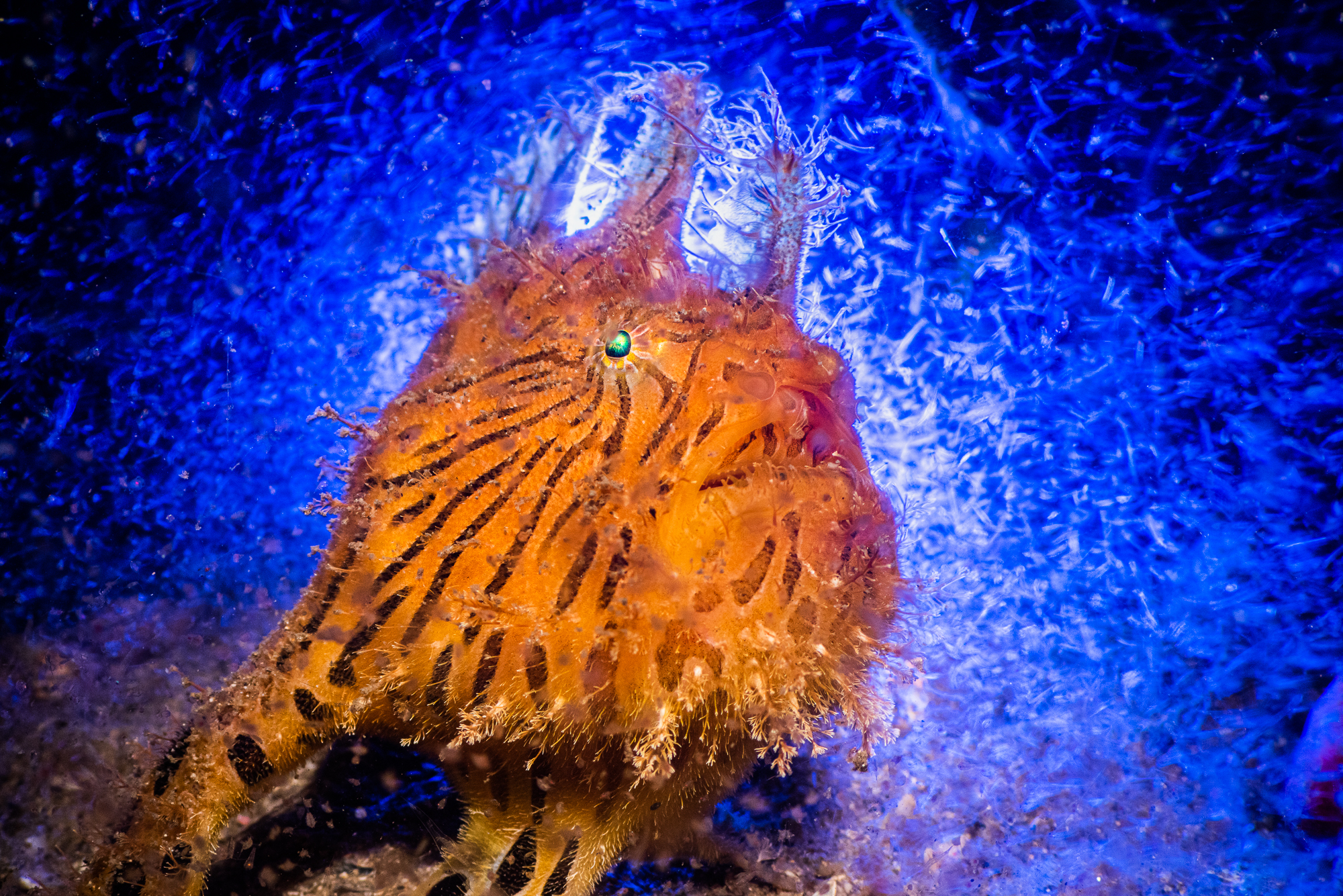
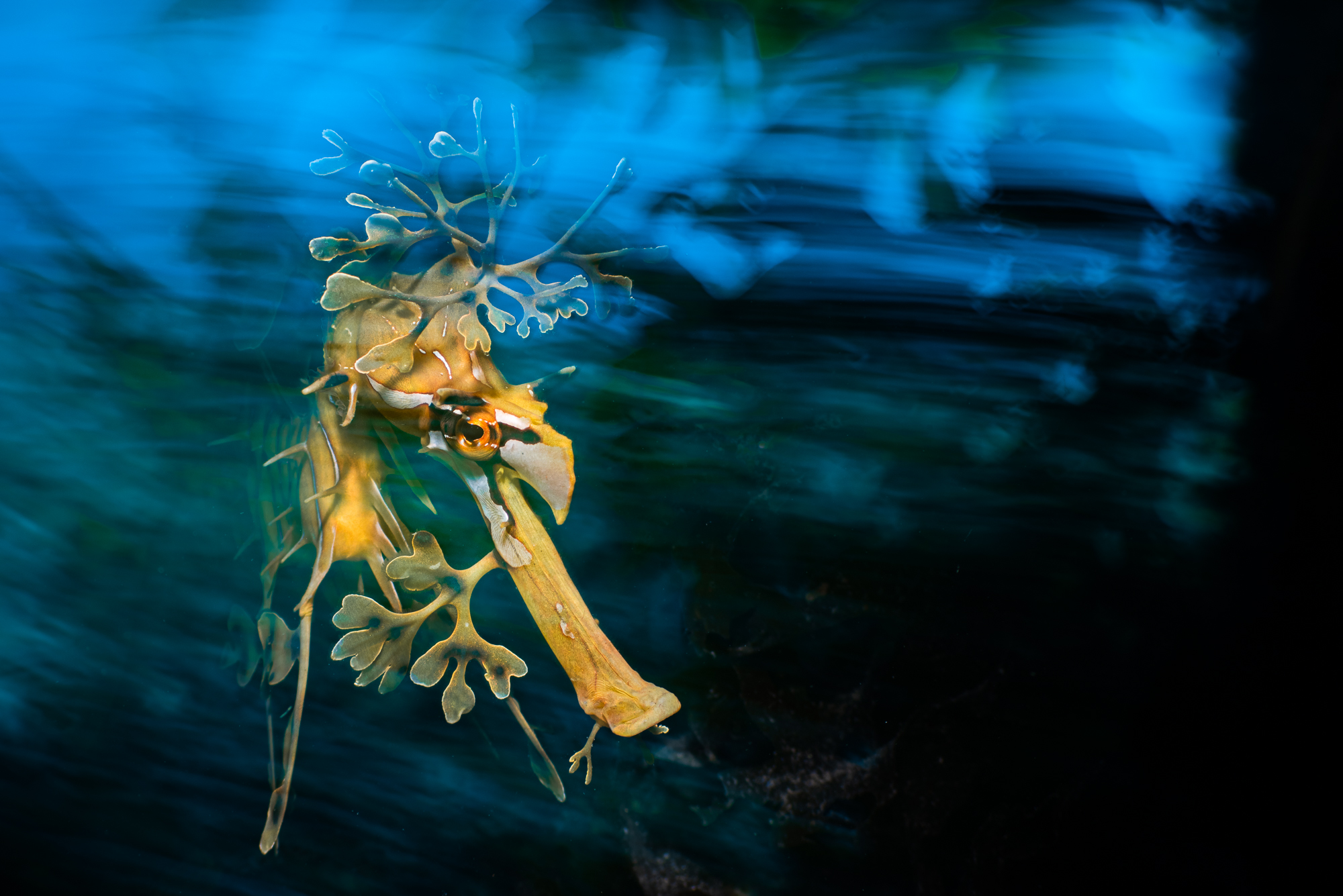
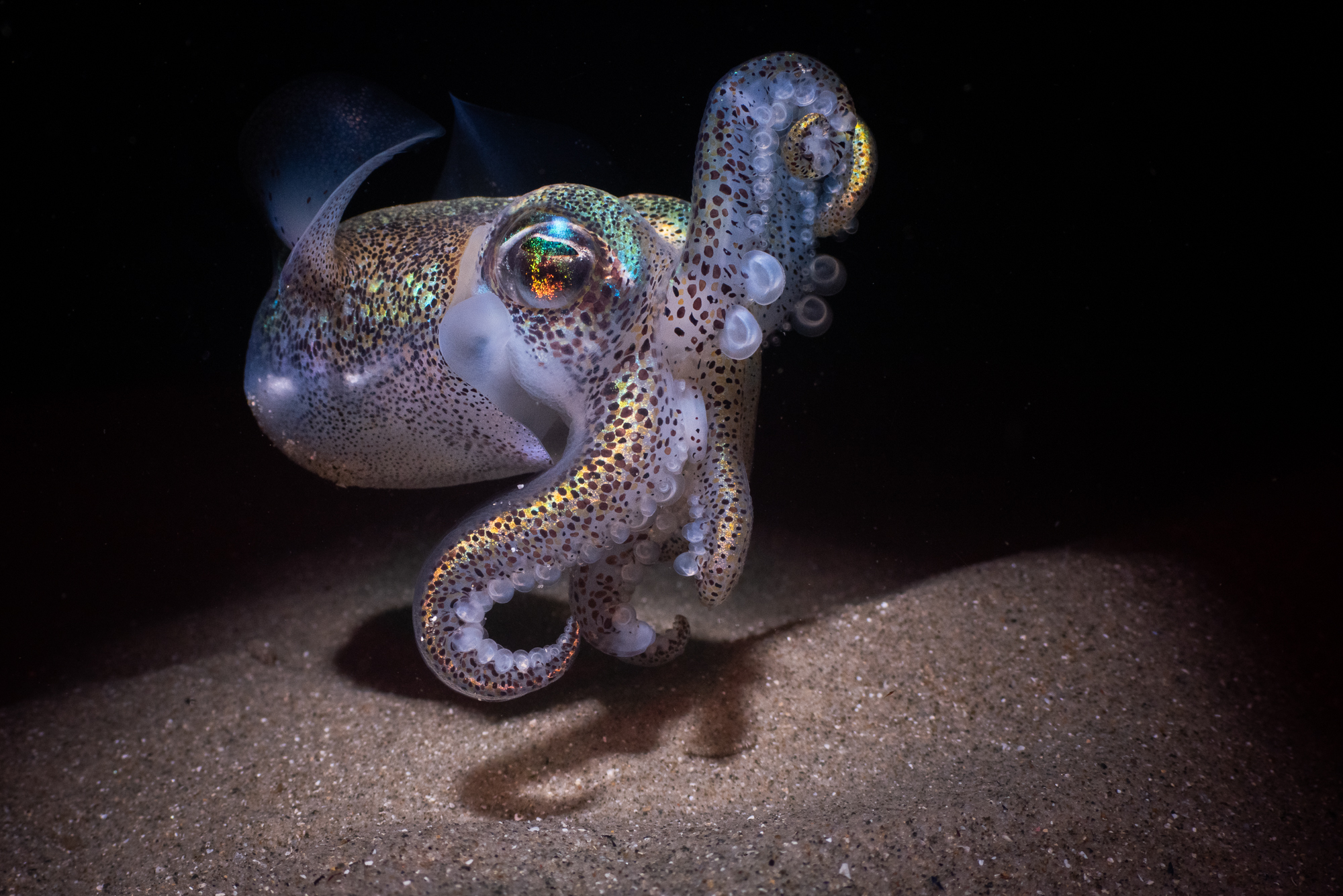
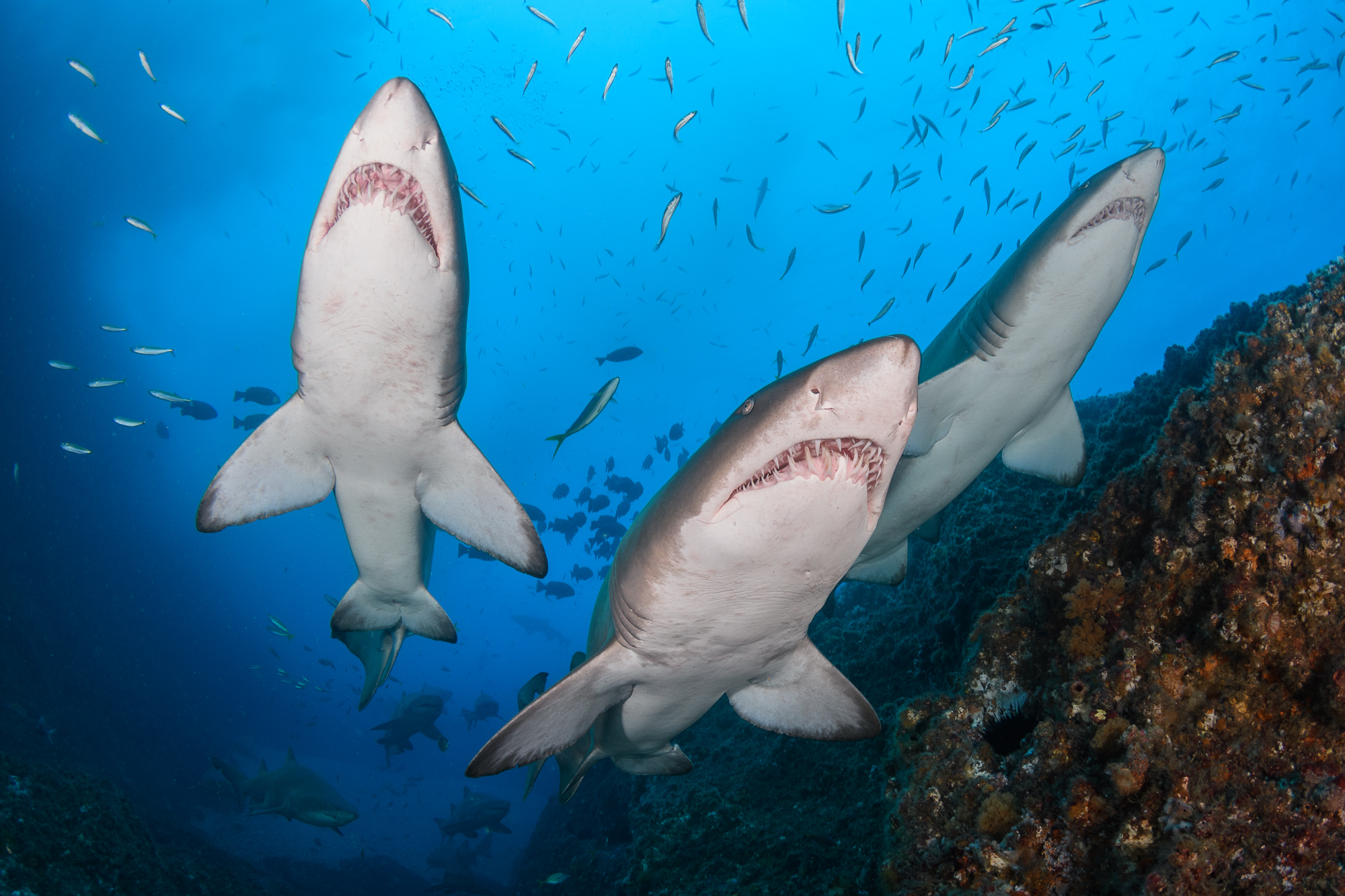
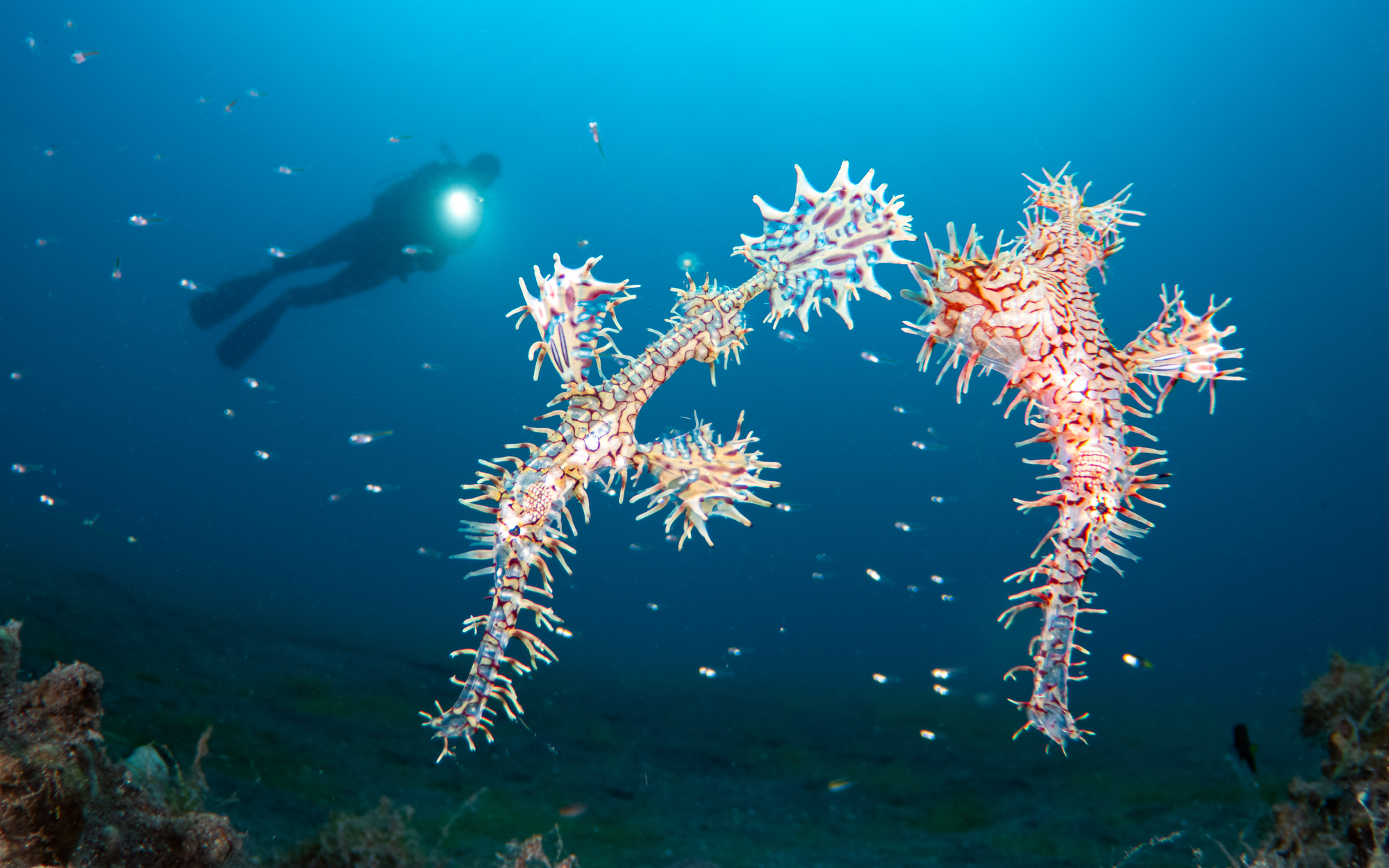
MATHIEU MEUR — OG Photographer in Residence
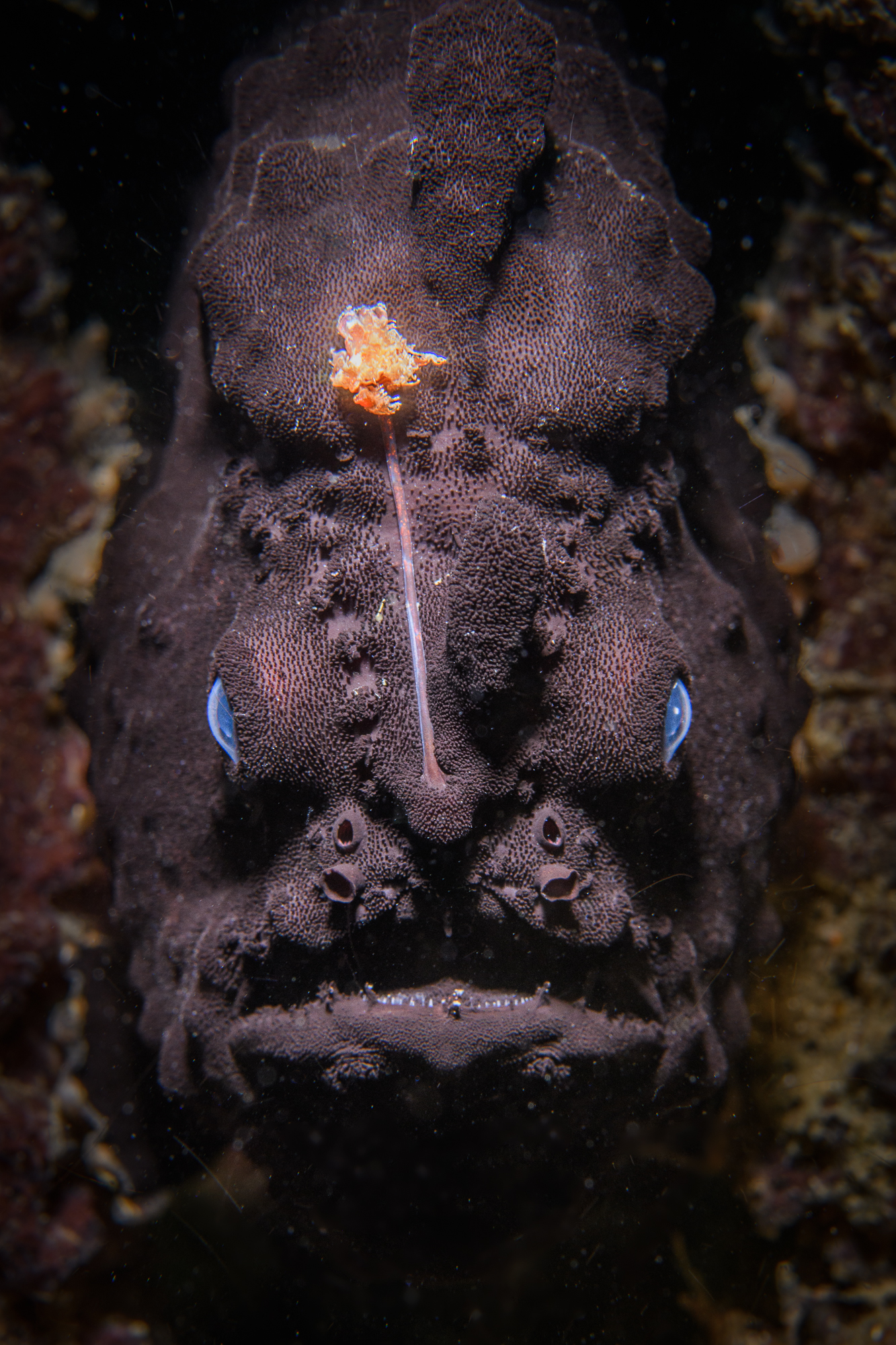
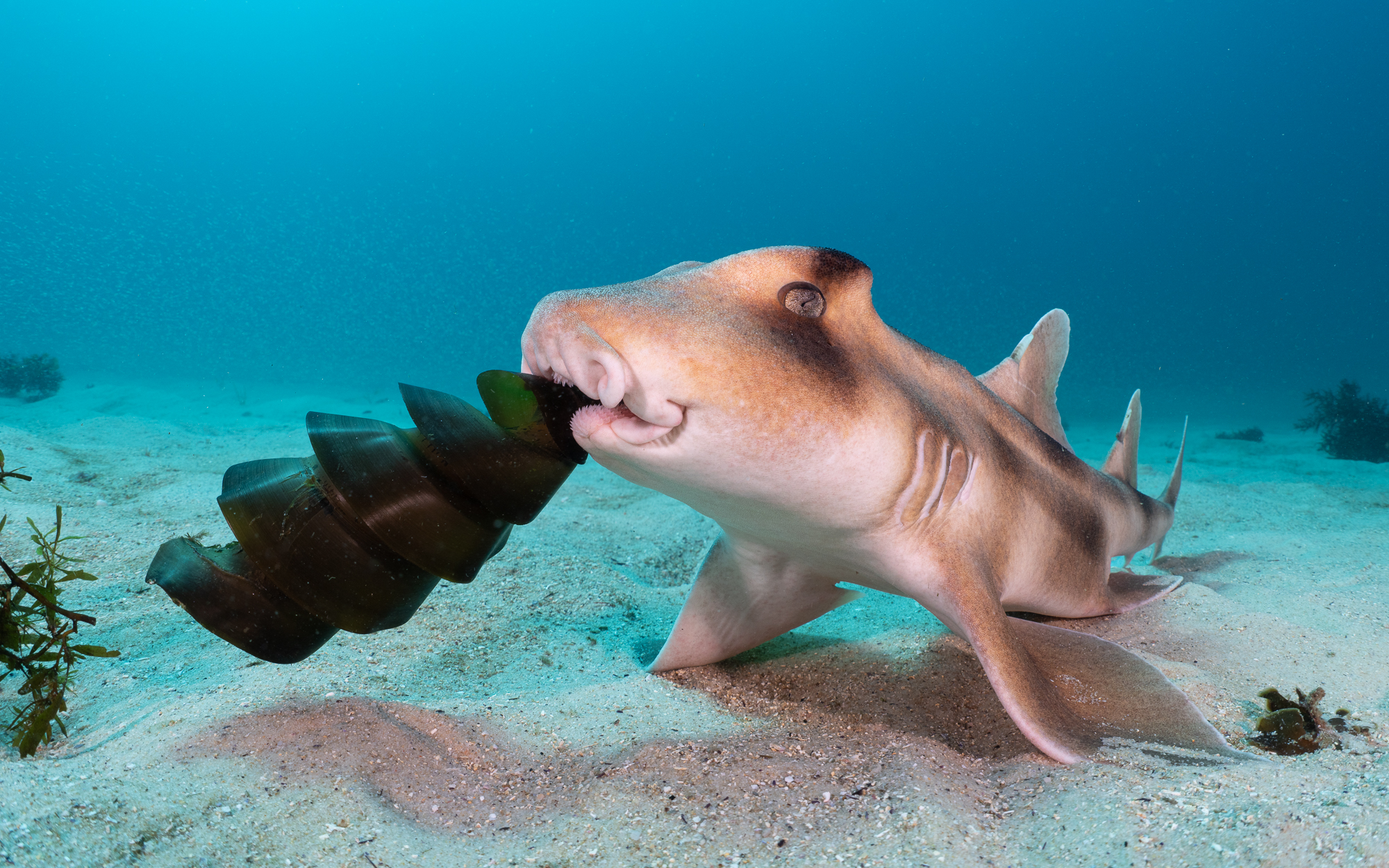
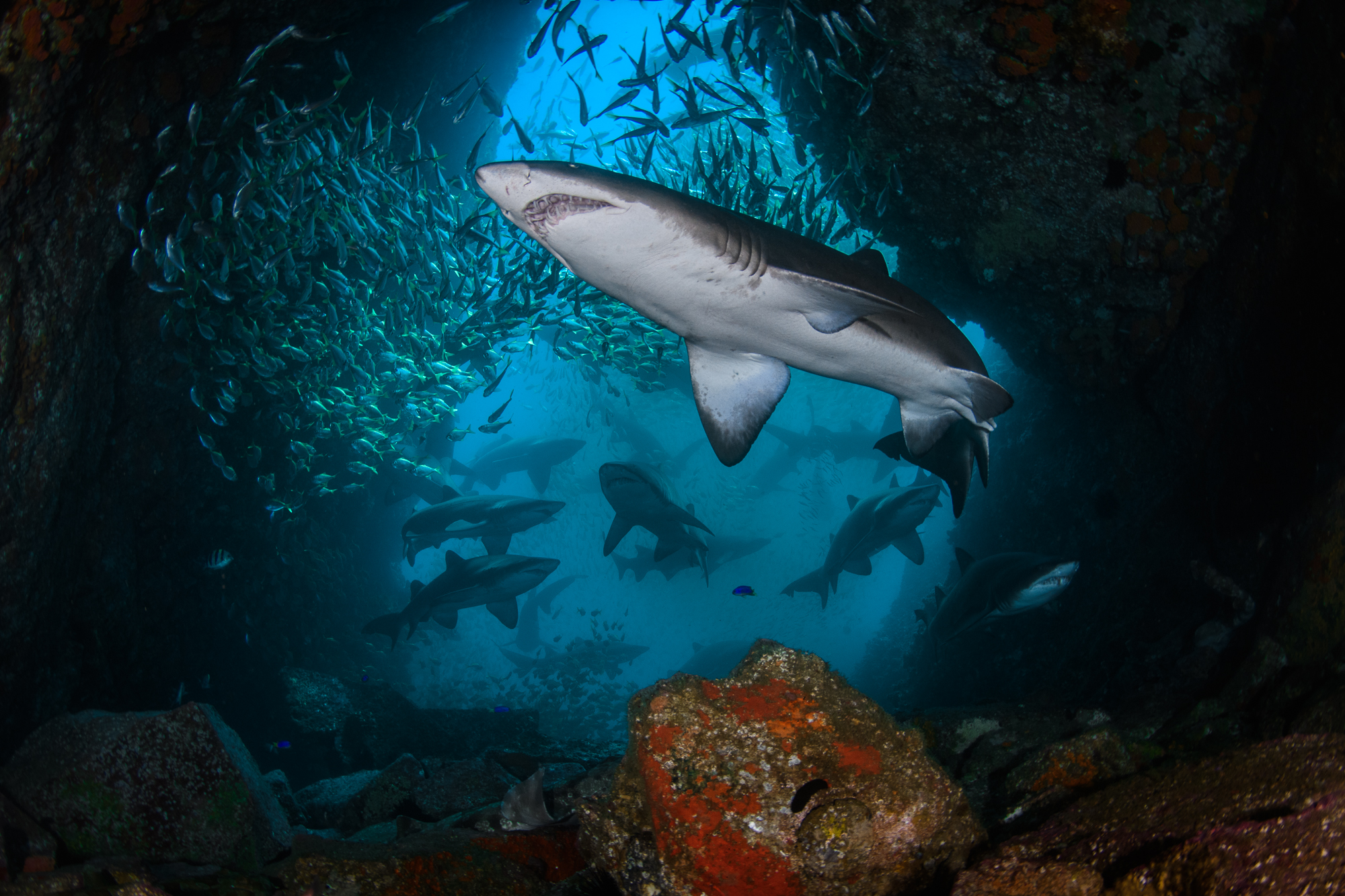
Nicolas Remy is an Australia-based professional underwater photographer and founder of The Underwater Club, an online underwater photography school and global community with members in 26 countries.
He is a brand ambassador for Mares and Nauticam, and chairs the jury of the prestigious DPG Masters underwater photography competition. Nicolas’ images have been widely published and have earned over 40 major photography awards.
A seasoned photojournalist, Nicolas collaborates with leading dive media worldwide, has authored dozens of articles covering equipment reviews and dive travel.
To see more of his work and explore his photography courses and workshops: